Charging Your EV With Solar Panels in Westminster: What Actually Works
Pairing rooftop solar with an electric car is one of the most common questions we hear in Westminster, and the short version is that charging your EV with solar panels works well here, as long as the two systems are sized and scheduled to fit each other. An EV uses only a modest amount of energy, a solar array in sunny Orange County produces plenty of it, and the hours the sun is strongest happen to be the cheapest hours to charge. The details are where it gets real: how many panels you need, whether to add a battery, and what your electrical panel can carry once both are connected. This guide walks through what genuinely works for a Westminster home.
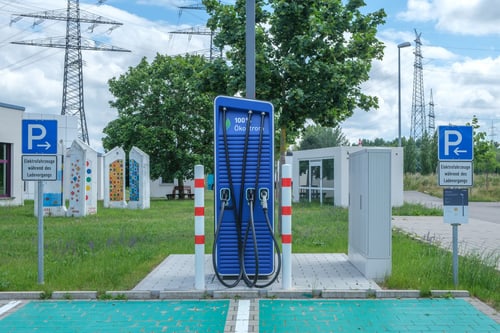
Can You Charge an EV With Home Solar Panels?
Yes, and for most Westminster homes it is simpler than people expect. A rooftop solar system and an EV charger both connect to your home's electrical panel, so the solar energy your roof makes during the day flows to whatever is drawing power at that moment, including a car plugged in. You are rarely wiring the panels straight into the car; instead the solar offsets the electricity your home and charger pull from the grid. The reason the pairing is so efficient is the car itself. The U.S. Department of Energy's Alternative Fuels Data Center notes a typical EV uses about 27 kilowatt-hours to travel 100 miles, and because electric vehicles convert over 77 percent of their energy into motion while gas engines manage only 12 to 30 percent, every solar kilowatt-hour you feed the car goes a long way.
How Many Solar Panels It Takes to Power a Car
Most Westminster drivers can cover their car on roughly four to six extra panels. Start with your driving: at about 27 kilowatt-hours per 100 miles, a typical 1,000-mile month uses around 270 kilowatt-hours for the car alone. A modern 400-watt panel in sunny Orange County produces, by industry estimates, somewhere near 50 to 60 kilowatt-hours a month, so five panels or so can realistically supply a commuter's EV over the course of a year. Heavier drivers, or households replacing a truck that uses closer to 35 to 40 kilowatt-hours per 100 miles, will want more. The honest way to size it is to pull your car's energy use off its window sticker or dashboard, multiply by your monthly miles, and add that block to whatever your house already consumes. A good installer sizes the array for the whole load, house plus car, not the car in isolation, because the two share the same roof and the same meter.
Why Daytime Charging Is the Key in California
To actually use your own solar on the car, you charge during the day, and in California that is now both the cheapest and the most valuable time. Solar production peaks from late morning through mid-afternoon, which lines up almost perfectly with Southern California Edison's cheapest window: on the EV-focused TOU-D-PRIME plan, SCE's off-peak rate runs midday from 8 a.m. to 4 p.m., while the 4-to-9 p.m. block is the most expensive. The rules reward it too. Under California's Net Billing Tariff for solar customers connected since April 2023, the CPUC explains that onsite generation is first used to serve onsite load, and power you export earns less than the retail rate you would pay to buy it back. In plain terms, a kilowatt-hour you pour straight into your car at noon is worth more than one you sell to the grid. A charger or car that can schedule a midday session is what turns that rule into real savings.
Do You Need a Battery, or Can You Charge Straight From the Panels?
A home battery is optional, not required, to charge an EV with solar. The most common setup in Westminster is a grid-tied solar system with no battery: the panels feed the home during the day, the car charges on that power when it is parked in daylight, and the grid quietly fills any gap. This is the least expensive route and works well for anyone who can plug in during the day, such as remote workers or two-car households where one car stays home. A battery becomes worth considering if you can only charge at night, since it stores the day's solar for an evening charging session and adds backup during outages. The car's own battery can even act as a rough substitute for a home battery when you charge midday and drive in the evening. For most people starting out, panels plus a scheduled charger capture the bulk of the benefit without the added cost of storage.
What Westminster's Climate and Roofs Mean for Solar and EV
Westminster's weather is close to ideal for solar, but the house matters as much as the sky. Coastal Orange County sees abundant sun through much of the year, and even with the morning marine layer that drifts in off the coast, midday production is strong for most of the charging season. The bigger variables are your roof and your panel. Many Westminster homes built between the 1950s and 1970s have roof planes that face a mix of directions, and a south or west exposure will out-produce a north-facing slope. Inside, both the solar inverter and a Level 2 charger connect to your electrical service, and a lot of these homes still run 100-amp panels. Adding a 240-volt car circuit on top of a solar connection can push an older panel to its limit, which is why an electrical panel upgrade is sometimes part of a solar-plus-EV project. Knowing your panel's headroom early keeps the whole plan realistic.
Making Solar and Your Charger Work Together
The pairing pays off when the charger is set up to drink when the sun is shining. A Level 2 charger is what makes daytime charging practical, because it can add enough range in a few midday hours to matter; a slow Level 1 cord often cannot finish inside the solar window. Most modern chargers and EVs let you schedule a charging session, so you can aim it at the 8 a.m. to 4 p.m. block without being home to plug in and unplug. Some chargers can even track your solar output and ramp the car up and down to match, though a simple midday schedule captures most of the gain. The electrical side is where a Westminster EV charger owner should start: confirm the panel can carry both systems, place the charger where the car parks during the day, and size everything for the real driving the household does.
Key Takeaways
- Charging an EV with home solar works by offsetting grid power: solar feeds your panel during the day and the car charges on it, rather than wiring panels straight to the car.
- A typical commuter's EV needs only about four to six extra solar panels, since a car uses roughly 27 kilowatt-hours per 100 miles.
- Daytime charging is the key in California: SCE's cheapest window is midday, and the Net Billing Tariff makes using your own solar on-site more valuable than exporting it.
- A home battery is optional; a grid-tied system plus a scheduled Level 2 charger captures most of the benefit for anyone who can plug in during daylight.
- Both solar and a 240-volt car circuit connect to your electrical panel, so an older 100-amp Westminster panel may need an upgrade to carry both.
Frequently Asked Questions
Can I charge my EV directly from my solar panels?
In practice you charge through your home's electrical system rather than straight off the panels. The solar feeds your panel, and when the car is plugged in during daylight it draws on that solar power first, with the grid covering any shortfall. The effect is the same as charging on sunshine, without any special direct connection.
How many solar panels do I need to charge an electric car?
For a typical 1,000-mile month, plan on roughly four to six additional panels. A car uses about 27 kilowatt-hours per 100 miles, and a 400-watt panel in Orange County produces an estimated 50 to 60 kilowatt-hours a month. Heavier drivers or large trucks need more, so size the array to your actual mileage plus your home's existing use.
Is it better to charge during the day with solar?
Yes, in California it is both cheaper and more valuable. Solar peaks midday, which matches SCE's lowest off-peak rate from 8 a.m. to 4 p.m., and the state's Net Billing Tariff pays less for exported solar than you would pay to buy power back. Using your own solar on the car at midday beats selling it to the grid.
Do I need a home battery to charge my EV with solar?
No. Most Westminster homeowners use a grid-tied system with no battery and simply charge during the day. A battery helps if you can only charge at night or want backup power, but it adds cost. A scheduled Level 2 charger that runs midday captures most of the savings without storage.
Will adding solar and an EV charger overload my electrical panel?
It can on an older panel. Both the solar inverter and a 240-volt charger tie into your electrical service, and many older Westminster homes run 100-amp panels with little headroom. A load calculation tells you whether your panel can carry both, and if it cannot, a panel upgrade is usually the fix.
The simplest rule for solar-plus-EV in Westminster: size the array for your home and your car together, then schedule the charger for the midday hours when your panels are producing and SCE's rate is lowest.
Planning solar and an EV together, or adding a charger to a home that already has panels? We install Level 2 chargers across Westminster and check that your panel can carry both before any work begins.
Get a Charging QuoteReady to Charge at Home?
Free assessment, flat-rate quote, permit and inspection handled from start to sign-off.
Licensed C-10 · EVITP-certified · Bonded and insured · Workmanship warranty