How Much Does EV Charger Installation Cost in Westminster?
If you have an EV or one on the way, the Westminster question is always the same: what does it really cost to put a charger in the garage? Neighbors quote everything from a couple hundred dollars to several thousand, and both can be right, because the price is set by the electrical work behind the wall far more than by the charger on it. This guide breaks the real cost into its parts, shows what pushes it up or down on an older Westminster home, and points out where a rebate can take a large chunk back.
The Charger Is the Small Part of the Cost
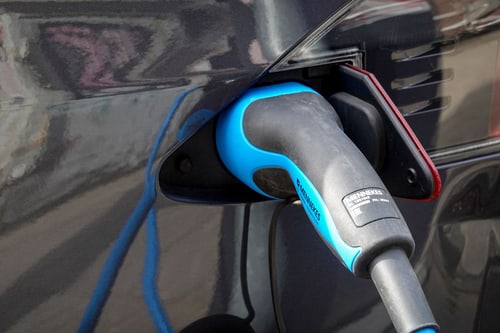
The box everyone pictures, the charger itself, is usually the smallest line on the invoice. A reliable 240-volt home charger runs roughly $200 to $800 depending on amperage, cord length, and smart features like scheduling and app control, and that part is easy to shop for. What the hardware cannot tell you is what it takes to feed it: most residential Level 2 units draw up to 30 amps and deliver about 7.2 kilowatts, and the U.S. Department of Energy notes they need a dedicated 40-amp circuit to meet National Electrical Code requirements. That dedicated circuit, not the unit on the wall, is where the real cost of an installation is decided.
What Actually Drives the Installation Price
The installation is where the number moves, and the single biggest factor is distance, specifically how far your electrical panel sits from where the car parks. A charger a few feet from the panel in an attached garage is a short, quick run. A detached garage or a driveway on the far side of the house means a longer conduit run, more labor, and sometimes trenching. Industry sources put a straightforward Level 2 charger installation in the range of roughly $800 to $2,000 in labor and materials, with awkward runs climbing from there. In Westminster's older tracts around Little Saigon and the neighborhoods off Bolsa and Westminster Boulevard, where garages were never laid out with a car charger in mind, that run is often the line item that surprises people.
When a Panel Upgrade Changes the Math
The largest single swing in any quote is whether your electrical panel can carry the new load. Many older Westminster homes still run on 100-amp service, and once air conditioning, an electric dryer, and a 40-amp car circuit are added up, a load calculation performed to NEC Article 220 can show there is no headroom left. When that happens you have two paths. One is an electrical panel upgrade to 200-amp service, which typically runs about $2,000 to $4,000 or more and involves coordinating with the utility. The other is to derate the charger to fit your existing service; a charger set to 32 amps still refills most cars overnight and can avoid the upgrade entirely. Which path is right is a math question worth answering before you compare quotes.
Permits and Inspection Are a Required Line Item
A 240-volt charger circuit requires an electrical permit and a final inspection in Westminster, and that cost belongs in the budget rather than around it. The permit fee is a minor part of the total, and it buys something that matters later: an inspected, on-the-record installation. That record is what reassures a buyer and an insurer down the line, which is why any installer offering to skip the permit to shave the price is doing you no favor. A permitted job also means the work was checked against code, which on a 40-amp circuit running for hours at a time is not a formality. Treat a quote that leaves the permit out as incomplete, not as a bargain.
Rebates and Cheap Overnight Power Lower the Real Number
The sticker cost and the net cost can be very different once incentives are counted, especially when a panel upgrade is involved. Southern California Edison's Charge Ready Home program offers up to $4,200 to income-eligible single-family customers to cover the panel upgrade needed for a Level 2 charger, which can erase the most expensive part of the job for those who qualify. Beyond the rebate, the ongoing cost of the electricity is lowest overnight: SCE's time-of-use plans are built to reward charging during off-peak hours, so a charger that finishes inside that cheap window keeps your running cost down for the life of the car. The number that matters is rarely the day-one quote; it is what you pay after the rebate and a year of off-peak charging.
Does a Faster Charger Cost More to Install?
A 48-amp charger is not just a pricier box; it needs a 60-amp circuit, heavier wire, and often more panel capacity than a 40-amp unit, so the faster option can raise the installation cost on both ends. The catch is that most cars cannot use the extra speed, because every EV has an onboard charger with its own ceiling, often around 7.7 or 11.5 kilowatts, and it will never pull more than that no matter how large the circuit. For a lot of Westminster households a 40-amp charger on a 50-amp circuit fills the car overnight and costs less to install, so paying for 48 amps only makes sense when a long-range daily driver or a second EV actually needs it. Matching the charger to the car, rather than to the spec sheet, is one of the easiest ways to keep the number down.
What a Typical Westminster Install Adds Up To
Put the parts together and most Westminster homes land in a predictable range. A charger near the panel in a home with spare capacity is the low end: the unit, a short circuit, the permit, and a half-day of labor. The middle is a longer run or a higher-amp charger. The high end is almost always a panel upgrade, which is why the same charger can cost one neighbor a modest sum and another several times that. The equipment barely moves the total; the circuit, the run length, and the panel are the three things that do, and all three can be known from a quick look before any work begins.
What Actually Moves Your Number
The wide online range collapses to a firm number once three things are known: how far the charger sits from your panel, whether your panel has room, and which rebates you qualify for. The charger you choose barely matters next to those. The practical first step is a load calculation, because it settles the single biggest variable and tells you whether you are looking at a simple install or a panel upgrade. If you want that read and a flat price instead of a range, Westminster EV Charger can assess your panel and quote a Level 2 installation or the panel upgrade it may need from the start.
EV Charger Installation Cost in Westminster: Quick Reference
- The charger unit itself is usually $200 to $800; the circuit and labor are the bigger cost.
- A straightforward Level 2 install often runs about $800 to $2,000 in labor and materials.
- Distance from the panel to the parking spot is the main driver of the installation price.
- A panel upgrade to 200-amp service, about $2,000 to $4,000, is the biggest single cost swing.
- A faster 48-amp charger needs a 60-amp circuit and can cost more, and most cars cannot use the extra speed.
- SCE's Charge Ready Home rebate offers up to $4,200 toward a qualifying panel upgrade for eligible homes.
The one number you cannot read off a spec sheet is what your panel can carry, and it decides whether your install is a quick afternoon or a multi-day project with an upgrade attached. Ask for a load calculation before comparing quotes, because two bids are only comparable once you know they solve the same electrical problem.
Want a real number for your home instead of a range? Send a photo of your panel and roughly how far you park from it, and we will tell you what the install is likely to cost and which rebates you may qualify for.
Get a Free QuoteReady to Charge at Home?
Free assessment, flat-rate quote, permit and inspection handled from start to sign-off.
Licensed C-10 · EVITP-certified · Bonded and insured · Workmanship warranty