EV Charger Not Working? A Home Troubleshooting Guide for Westminster, CA
When your home EV charger is not working, the problem is almost always one of three things: the power feeding it, the charger itself, or the car plugged into it. Sorting out which one saves you a service call you may not need, and tells you when you genuinely do. Most Westminster drivers charge overnight on a Level 2 unit in the garage, so a charger that suddenly stops is noticed the next morning. This guide walks through the checks a homeowner can safely make, from the breaker panel to the status light to the car's own settings, plus the warning signs that mean it is time to call a licensed electrician.
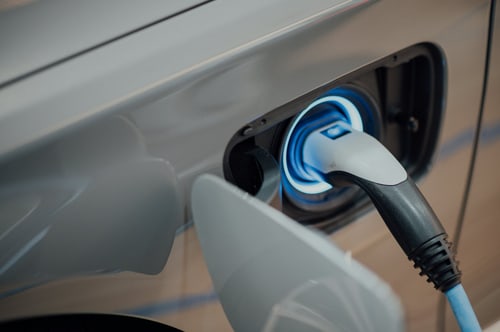
EV Charger Not Working? Start With Power, Charger, or Car
An EV charger that won't charge falls into one of three buckets: no power is reaching the unit, there is a fault inside the charger or its cable, or the car is refusing or scheduling the charge. Working through them in that order is faster than guessing, because the fixes get progressively more involved. Power problems are often a tripped breaker you can reset yourself. Charger faults usually show up as an error light or a dead unit. Car-side issues hide in settings like a charge limit or a scheduled start time, and they look exactly like a broken charger until you check. Before touching anything, note what the charger was doing: did it ever start, did it stop mid-session, or has it been dead since you last unplugged? That one detail usually points you at the right bucket.
Check the Breaker and GFCI Before Anything Else
The most common reason a home EV charger stops working is a tripped breaker or ground-fault protection, not a failed charger. Level 2 chargers run on a dedicated 240-volt circuit, and that circuit can trip from an overload, a brief fault, or ground-fault protection doing its job. A ground-fault circuit interrupter compares the current going to and returning from the equipment and shuts off power when the difference reaches about 5 milliamperes, in as little as 1/40 of a second, according to OSHA. Open your panel and look for a breaker sitting in the middle or off position; reset it by pushing it fully off, then on. If it holds, you likely had a one-time nuisance trip. If it trips again immediately or within a few sessions, stop resetting it, because a breaker that keeps tripping is reporting a real fault and forcing it back on is how wiring overheats. Many older Westminster homes still run 100-125 amp panels, and a near-full panel is more prone to these trips once a large EV load is added.
Read the Charger's Status Light
A charger's indicator light is the fastest diagnosis you have, because it tells you whether the unit is even getting power. Tesla's Wall Connector troubleshooting guide notes that no lights means the Wall Connector is not receiving power, which sends you straight back to the breaker, while blinking patterns point to specific faults. Most Level 2 brands follow the same logic: steady usually means ready or charging, a slow blink means waiting on the car, and a red or rapid blink means a fault the unit has detected. Before assuming hardware, that same guide says to verify there is not a power supply issue such as a power outage or a tripped circuit breaker. If your charger is a connected model, open its app, since a dropped Wi-Fi link or a firmware update stuck mid-install can leave a unit unresponsive even when the hardware is fine. Write down the exact light pattern or error code shown; it is the single most useful thing to have ready if you end up calling for service.
Rule Out the Car Before Blaming the Charger
A charger that powers up but never delivers energy is often being told not to by the vehicle. Tesla's guidance is to verify that your vehicle is ready to charge and that charging is not blocked by settings such as scheduled charging, and that applies across brands. Check for a scheduled or off-peak start time you set and forgot, a charge limit the battery has already reached, and any charge-location logic that only lets the car charge at a saved address. Make sure the connector is fully seated, because EV handles need a firm click and a partially inserted plug reads as no connection. The cleanest test is a swap: if a second EV charges fine on the same unit, the problem is your car, not the charger; if your car charges fine elsewhere, the charger or circuit is the suspect. This five-minute check routinely saves a service call, because a broken charger is frequently a charge limit or a schedule quietly doing exactly what it was set to do.
Inspect the Cable, Handle, and Connections
When power and the car both check out, the fault is usually physical, in the cable, the handle, or the terminations inside the unit. Look over the cable for cuts, cracks, or crushed spots from a tire or a closing garage door, and check the handle's pins for corrosion, melting, or debris. A connector that feels hot after charging, a scorched smell, or discoloration on the faceplate are not things to keep using through. Choosing equipment that is tested for safety by a nationally recognized testing laboratory, as ENERGY STAR recommends, lowers the odds of an internal fault, but even certified units wear over time. Westminster's housing stock leans toward mid-century homes with detached garages, so EV circuits here often run long distances through conduit to a separate structure, and every added junction and termination is one more place a connection can loosen over years of thermal cycling. Loose terminations behind the faceplate are an electrician's job and a common cause of intermittent charging that comes and goes with no obvious pattern.
When to Stop and Call a Licensed Electrician
Some symptoms mean the troubleshooting is over and a professional needs to look. A breaker that trips repeatedly, a warm or discolored faceplate, a burning smell, visible scorching, or charging that works only intermittently all point to a wiring or capacity problem rather than a simple reset. Capacity is a real factor in older neighborhoods: the U.S. Department of Energy notes that some homes have insufficient electrical capacity for Level 2 equipment, and a qualified electrician can add circuits or recommend an upgrade. If your panel is near its limit, the fix may be an electrical panel upgrade rather than a new charger. A licensed electrician runs a load calculation, checks the terminations and the circuit, and confirms the install still meets code, and new 240-volt circuits in Orange County require a permit and inspection. When the checks above do not bring your charger back, EV charger repair and troubleshooting from a local Westminster EV charger specialist is the safe next step rather than another reset.
Quick Diagnosis Checklist
- Most dead home chargers trace to a tripped breaker or ground-fault trip, not a failed unit, so check the panel first.
- A GFCI or breaker that trips repeatedly is reporting a real fault; stop resetting it and have the circuit checked.
- The status light tells you fast whether the unit has power; no light usually means no power is reaching it.
- A charge limit, a forgotten scheduled start time, or a connector that is not fully seated can all mimic a broken charger.
- Burning smells, scorch marks, a hot faceplate, or intermittent charging mean stop and call a licensed electrician.
Frequently Asked Questions
Why did my EV charger suddenly stop working overnight?
The most common overnight cause is a tripped breaker or ground-fault trip on the charger's dedicated circuit. Check your panel for a breaker in the middle position and reset it once. If it trips again, or the charger's light shows no power, the circuit should be checked rather than repeatedly reset.
Should I keep resetting the breaker if my EV charger trips it?
Reset it once to clear a possible nuisance trip. If it trips again within a session or two, stop. A breaker that keeps tripping is detecting an overload or fault, and forcing it back on repeatedly can overheat the wiring. That pattern is a job for a licensed electrician.
How do I tell if the problem is my car or the charger?
Swap the variable. If a different EV charges normally on your unit, the charger is fine and the issue is your car's settings or charge port. If your car charges fine at another station, the charger or its circuit is the suspect. Also check the car for a charge limit or a scheduled start time.
What does a red or blinking light on my charger mean?
A red or rapid blink generally means the unit has detected a fault, while no light usually means it is not receiving power. Patterns vary by brand, so check your model's manual or app for the exact code. Note the pattern before calling for service, since it speeds up the diagnosis.
Can I fix a home EV charger myself?
You can safely reset a breaker once, check the car's settings, reseat the connector, and inspect the cable for visible damage. Anything behind the faceplate, repeated tripping, or signs of heat or burning should go to a licensed electrician. Opening a 240-volt enclosure without training is a shock and fire risk.
The single fastest test is a swap: if another EV charges on your unit, the fault is your car; if your car charges elsewhere, the charger or its circuit is the problem.
Tried the resets and your charger still won't charge? We diagnose home EV chargers across Westminster and quote the repair upfront before any work begins.
Request a Repair QuoteReady to Charge at Home?
Free assessment, flat-rate quote, permit and inspection handled from start to sign-off.
Licensed C-10 · EVITP-certified · Bonded and insured · Workmanship warranty